Understanding Electrical Hazards
Causes, Effects, and Prevention Measures
Electrical hazards pose serious risks in both residential and industrial settings. This comprehensive guide explores the common causes of electrical accidents, their potential effects on human health and property, and practical prevention measures to ensure safety.
Common Causes of Electrical Hazards

1. Overloaded Circuits
One of the most common electrical hazards occurs when too many devices draw power from a single circuit. This can cause wiring to overheat, potentially leading to fires. Signs of overload include frequently tripped breakers, flickering lights, or warm outlets.
2. Faulty Wiring
Aging or improperly installed wiring is a significant hazard. Old wiring may have deteriorated insulation, exposing live wires. DIY electrical work without proper knowledge frequently leads to dangerous wiring conditions that may not be immediately apparent.


3. Water and Electricity Mix
Water is an excellent conductor of electricity. When electrical equipment comes into contact with water, it can cause short circuits, equipment damage, and severe electrical shocks. This hazard is particularly common in kitchens, bathrooms, and outdoor areas.
Effects of Electrical Hazards
1. Electrical Shock Injuries
Electrocution can range from mild tingling to fatal shocks. Severe electrical shocks can cause burns, cardiac arrest, nerve damage, and muscle injuries. Even low-voltage shocks can be dangerous if current passes through vital organs.


2. Electrical Fires
Faulty electrical systems are a leading cause of structure fires. These fires often start within walls and spread rapidly before detection. Electrical fires are particularly dangerous as they can reignite even after being apparently extinguished.
3. Equipment Damage
Power surges and electrical faults can destroy sensitive electronics and appliances. The financial impact can be substantial, especially in industrial settings where specialized equipment may cost thousands to repair or replace.

Prevention Measures
Important: Always consult a licensed electrician for any electrical work beyond basic maintenance. Never attempt repairs unless you're qualified.

1. Install GFCI Outlets
Ground Fault Circuit Interrupters (GFCIs) instantly shut off power when they detect current leakage, preventing shocks. Install them in bathrooms, kitchens, laundry areas, and outdoor locations as they're required by modern electrical codes.
2. Regular Electrical Inspections
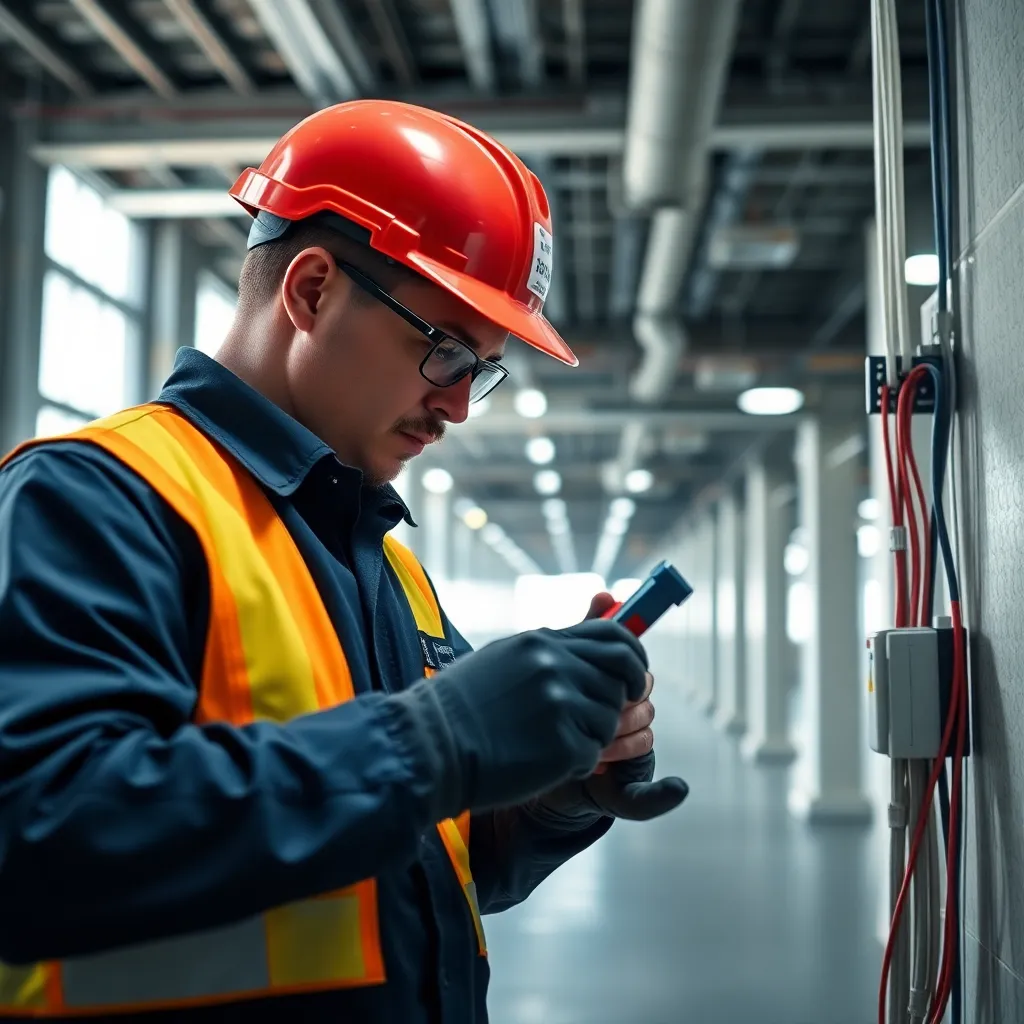
Have a licensed electrician inspect your electrical system every 10 years (or more often in older homes). They can identify hidden hazards like loose connections, outdated wiring, or insufficient grounding.

3. Proper Circuit Management
Label all circuit breakers clearly. Never overload circuits - distribute high-wattage appliances across different circuits. Consider installing additional circuits if your home's electrical demands have increased over time.
4. Workplace Electrical Safety
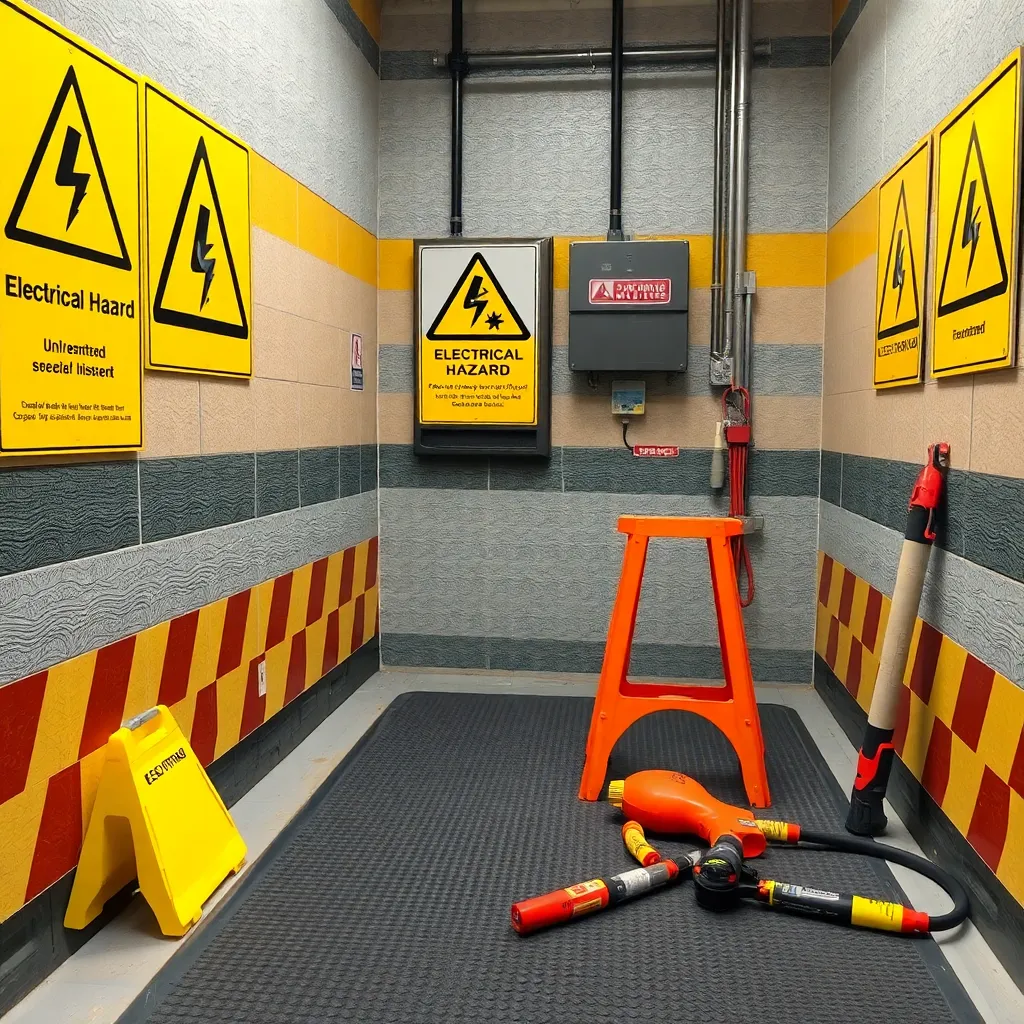
In industrial settings, implement lockout/tagout procedures, use insulated tools, and ensure all workers receive proper electrical safety training. Maintain clear signage around high-voltage areas.
Conclusion
Electrical hazards can have devastating consequences, but most accidents are preventable with proper knowledge and precautions. By understanding the risks, recognizing warning signs, and implementing safety measures, we can significantly reduce electrical injuries and property damage. Always prioritize safety when working with or around electricity, and don't hesitate to call a professional when in doubt.





0 Comments